
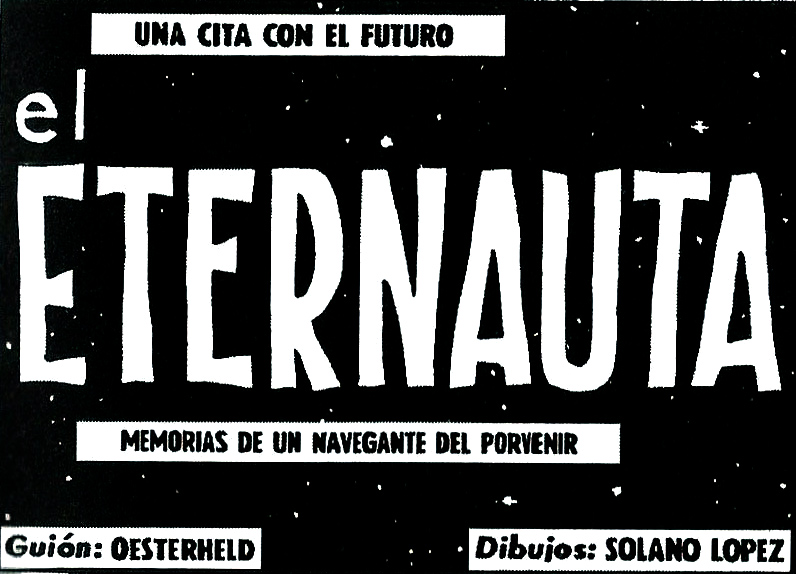
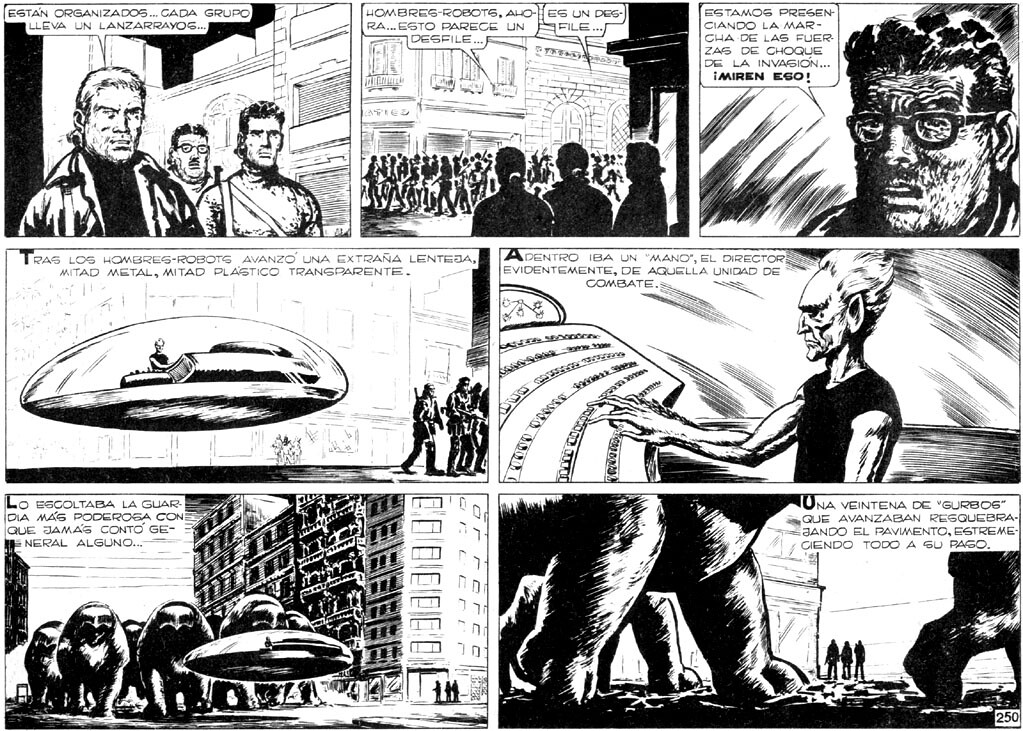
There’s a new, exciting sci-fi drama on Netflix that has captured the imagination of this Curator: The Eternaut. First created by Argentine comic book writer Héctor Germán Oesterheld and illustrator Francisco Solano López, The Eternaut is a deep story with important cultural roots. The title is a play on the Spanish words for “eternity” and “astronaut.” It ran as a comic strip from 1957 to 1959, and is widely considered a sci-fi classic in Latin America. Now, with a high budget and stellar cast, Netflix’s 2025 adaptation brings this powerful allegory to life for a new generation.
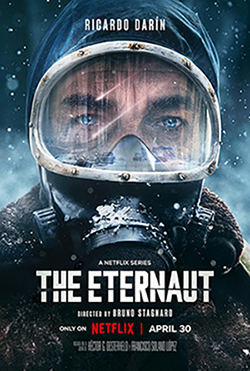


The series is set in modern-day Argentina, where a mysterious snowfall kills anyone who comes into contact with it. A group of friends, Juan Salvo, the main character, along with Alfredo Fravalli, Lucas, and Polsky, find themselves trapped in Alfredo’s house during an afternoon card game. Thankfully, Alfredo, an electrical engineer and resourceful hoarder, has the tools they need to survive, including a gas mask and a Ham radio.
This radio becomes a lifeline. Alfredo is able to connect with an amateur radio enthusiast in Uruguay, who confirms that the snowfall is not just an isolated event and that Brazil is under siege, too. As Alfredo tries to make contact farther afield, he becomes increasingly frustrated. He soon discovers that the Earth’s electromagnetic field has collapsed, preventing radio signals from bouncing off the ionosphere, a critical element for long-range shortwave communication. For more about how this technology works, see our previous Curator’s Corner post: “Bouncing Beyond Borders: The Reach of Shortwave Radio.”
Without spoiling too much, the story unfolds to reveal that the deadly snowstorm is only the beginning of an alien invasion. Radio communication becomes a central plot point, as the group of survivors teams up with the Army to broadcast a message urging other survivors to unite and fight back.
As in many other sci-fi narratives, from the movie Independence Day to the Netflix series Stranger Things, the unsung hero isn’t just the protagonist.
It’s the amateur radio operator.
Ham radio operators, or “hams,” play a crucial role in real-world emergencies and fictional crises alike. When modern communications infrastructure fails, due to natural disaster, war, or even alien attack, ham radio steps in. It’s independent, resilient, and accessible. In The Eternaut, this technology isn’t just a plot device – it’s a metaphor for resistance, connection, and community in the face of chaos.

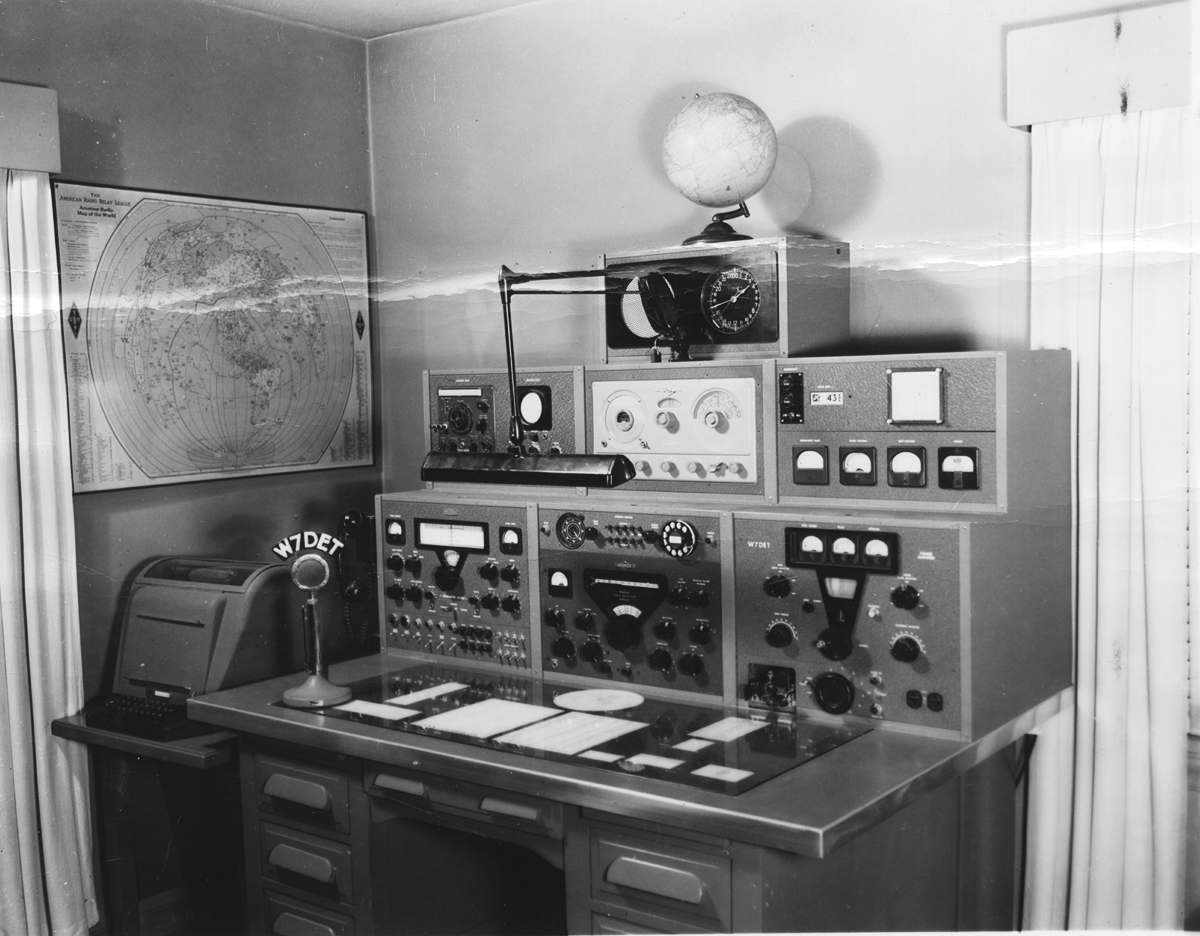
What makes amateur radio so enduring is its human element. Hams come from every walk of life: doctors, students, politicians, kids, truck drivers, and even astronauts. They communicate using voice, Morse code, digital data, or satellite relays, and they do it from mountaintops, basements, or the back of a moving vehicle, all without relying on commercial power, the internet, or a cell phone tower. If you’re interested in learning more about Ham radio, please visit the National Association for Amateur Radio here.
In times of real disaster, ham operators have kept the lines of communication open. After 9/11, when New York’s emergency command center was destroyed, ham radio filled the gap. During Hurricane Katrina and the Colorado floods of 2013, it was amateur operators who kept emergency services connected when everything else failed.
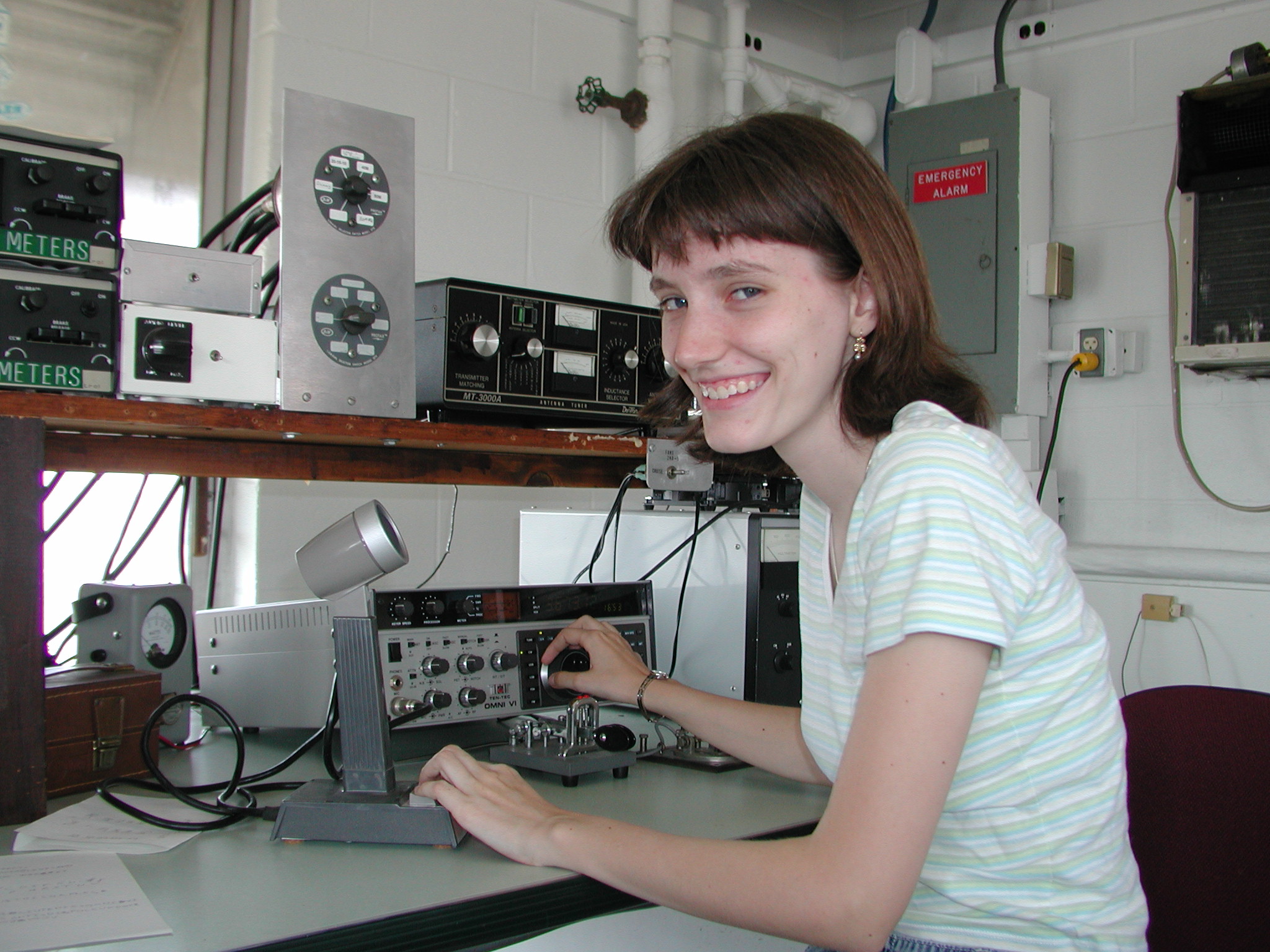

Whether you’re bouncing signals off the moon or simply reaching out across town, amateur radio remains one of the most flexible and vital tools in the communication toolkit, especially when the stakes are high. Just like in The Eternaut, the ability to transmit a message through the static might be what saves us all. So, remember, next time that an alien invasion happens, be close to your Ham radio.