Do you remember giant televisions, the smell of ozone coming through the back, the static snow when you first turned it on? How it would create lines on the screen and you had to switch to channel 3 to play your video games or movies? Those amazing vintage devices are called CRT televisions or monitors, so-called for the cathode ray tubes used inside them. For most of the time that electronic screens have existed, we’ve used this particular form of technology, and its defects and limitations have become something that we hold dear in this new digital world. But before we talk about the resurgence of CRT televisions and monitors, let’s talk about how they work.
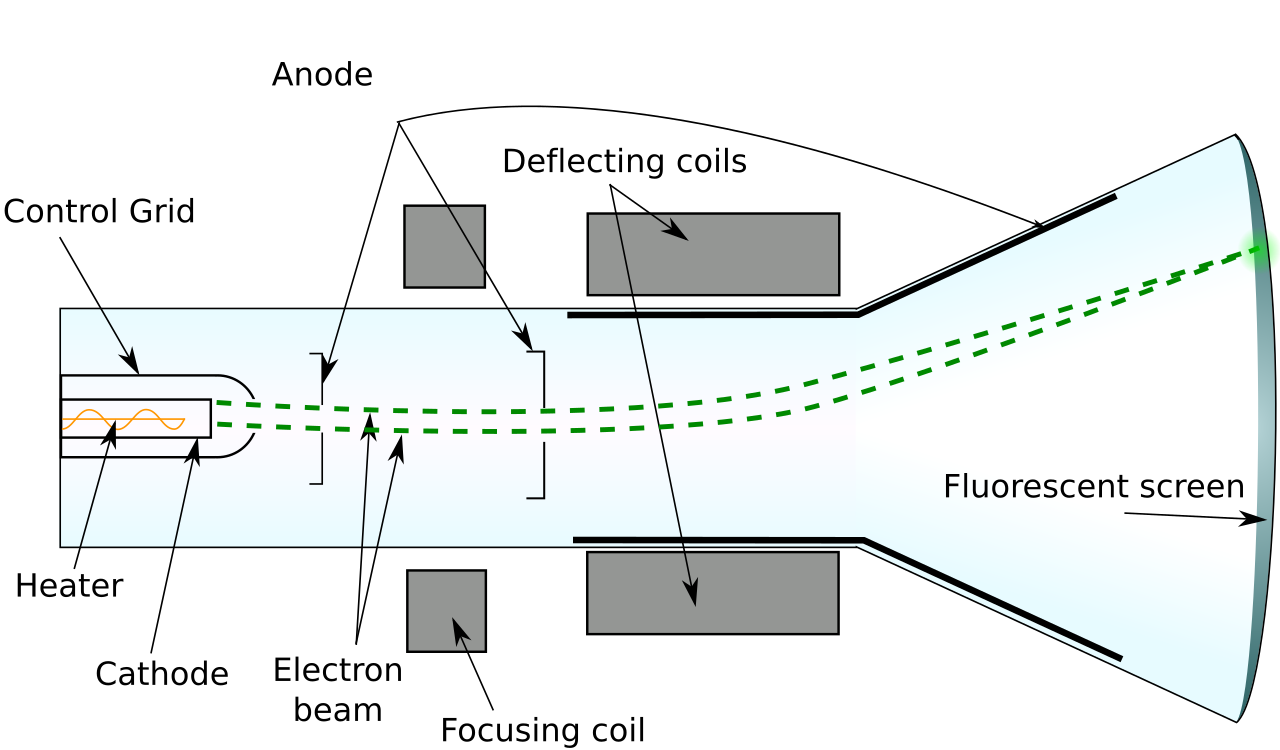
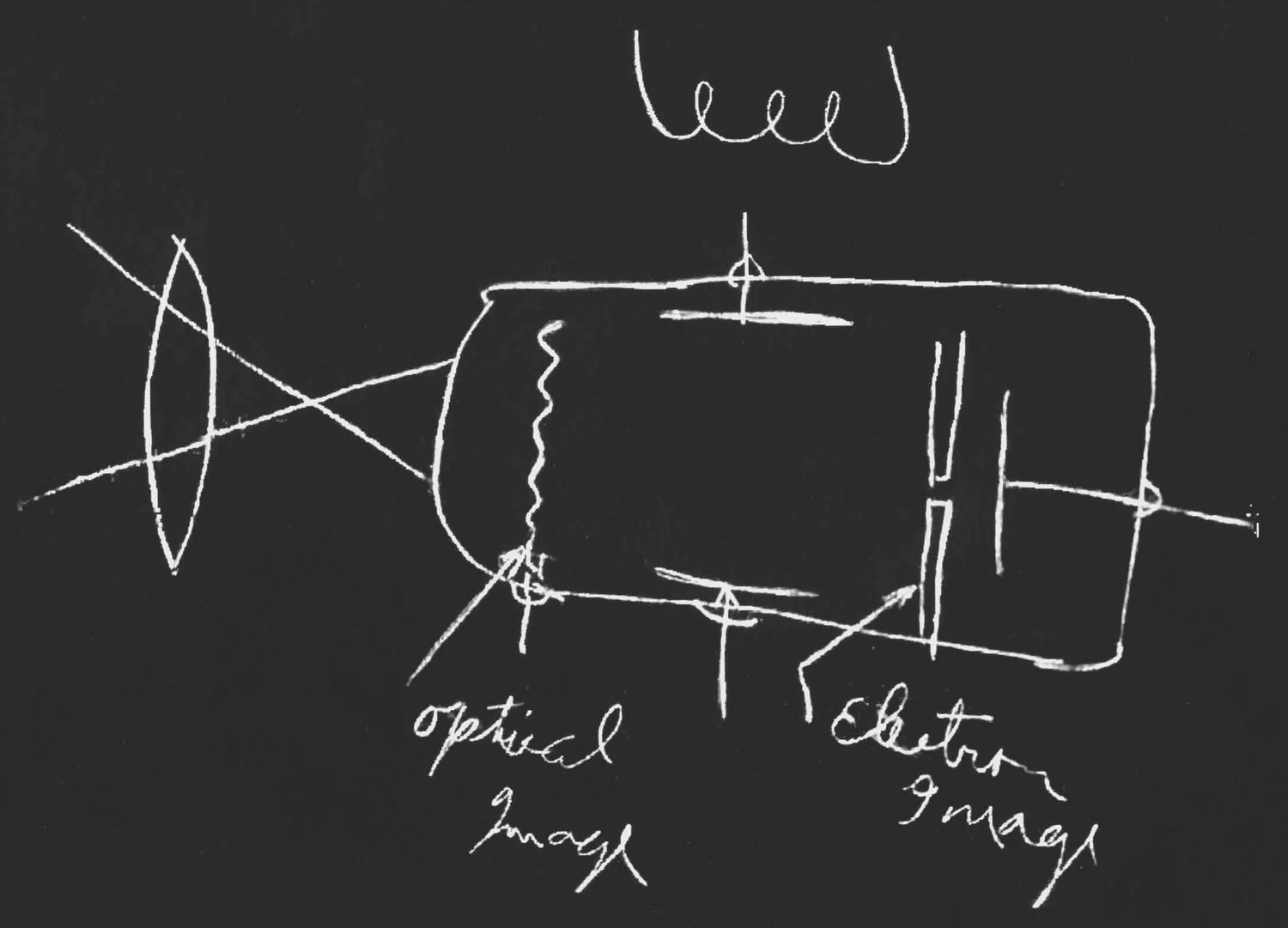
The Cathode Ray Tube is a unique form of vacuum tube, which are items we find in most electronics before the 1950s. Its uniqueness comes from an electron gun that shoots beams of electrons through the tube, hitting a photoreceptive screen at the other end. Depending on the era, this will produce a simple black and white image, but later, it was discovered how to use a different type of phosphor layer to produce color images. The new phosphor layer had red, green, and blue layers that were mixed to create all colors of the rainbow. This is, as you may know, fundamentally different from how our modern flat-screen displays work.
To learn more about how CRTs work, watch this video https://www.youtube.com/watch?v=3A-Td0i4_Kc
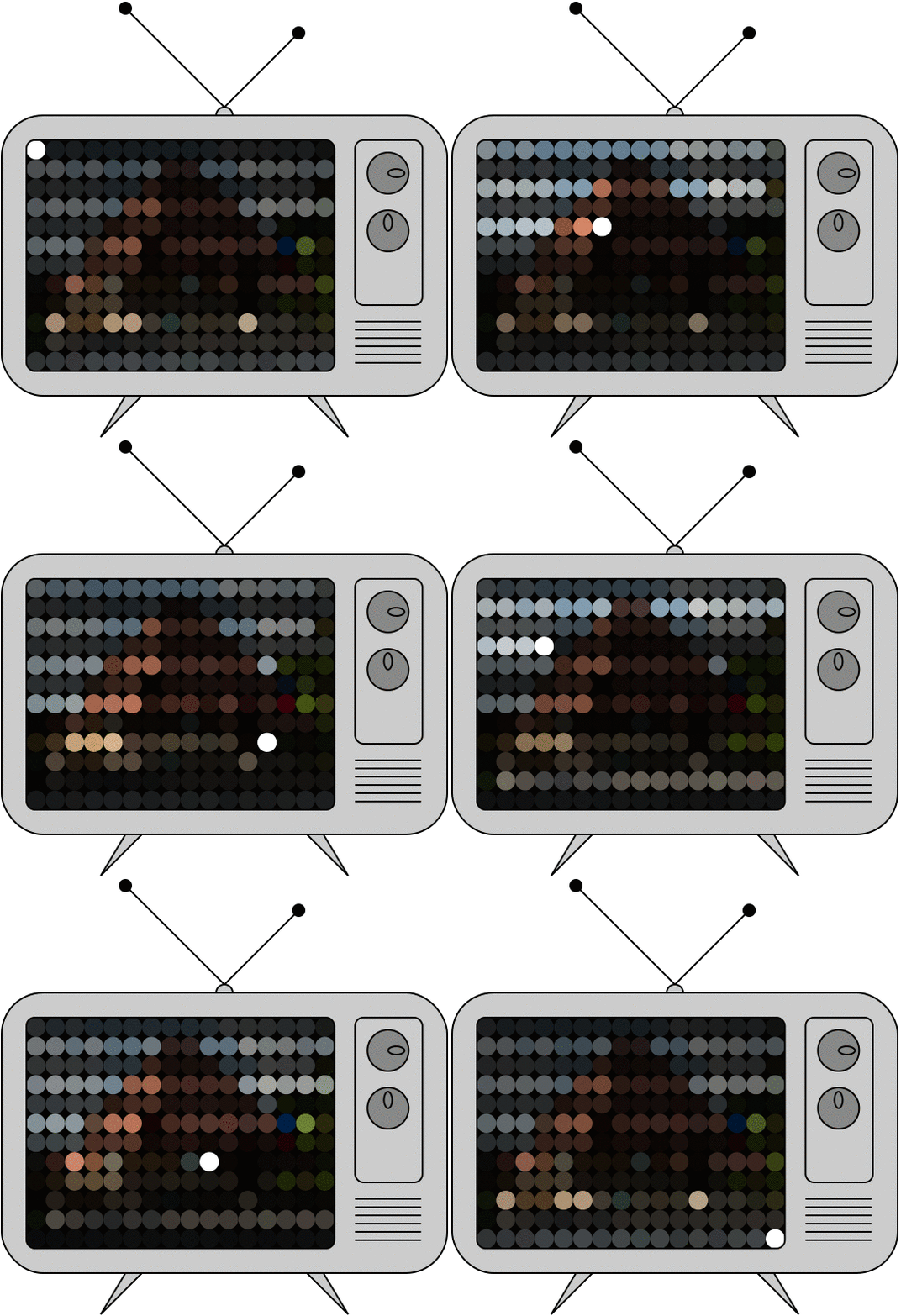
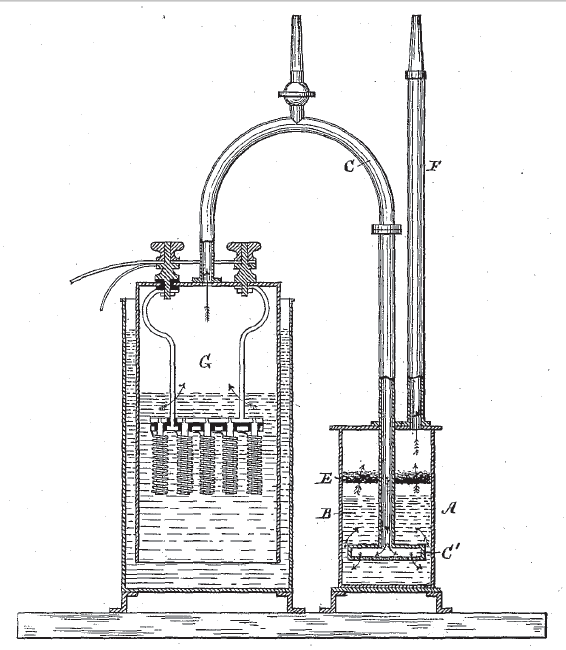
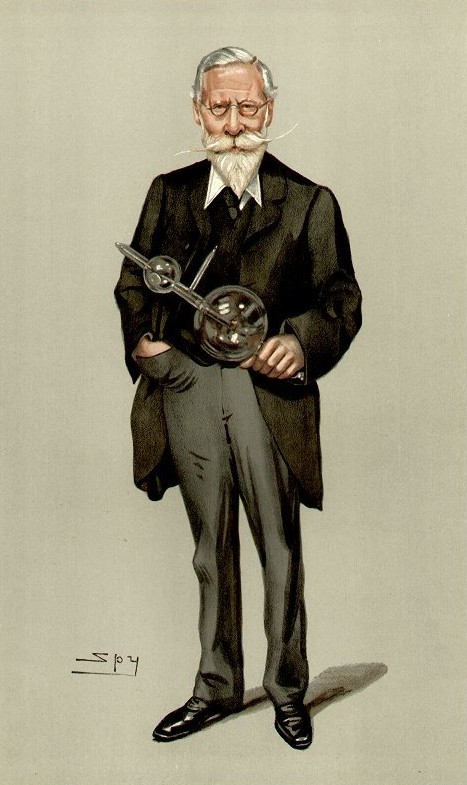
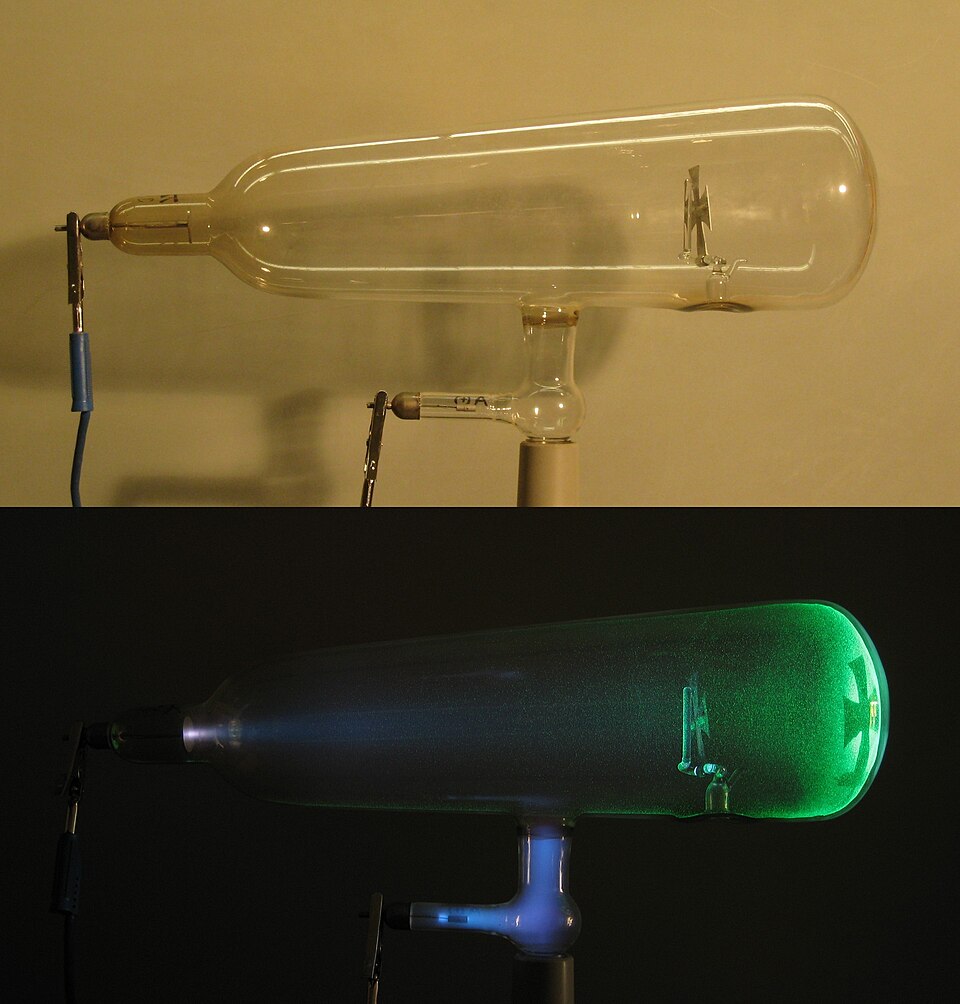
The history of this technology is older than you might expect. We find its origins in the cutting edge of physics in the late 1800s. The discovery of x-rays and radioactivity had made physicists interested in ways to reproduce what we now know as different wavelengths of the electromagnetic spectrum. Julius Plücker and Johann Wilhelm Hittorf were the first to observe that using a cathode, an early electronic instrument, produced a strange form of light that moved in a straight line. Later, in 1890, Arthur Schuster and William Crookes discovered that these rays produced by the cathode could be bent and deflected by magnetic fields. But it was the British scientist, J.J. Thompson, who made an important breakthrough in 1897, that led him to win a Nobel Prize for his work. He discovered that these rays were small sub-atomic particles named electrons, and their negative charge was being affected by electro-magnetic fields. This allowed future scientists and inventors to have clearer control of what happened inside the cathode tubes. But the true inventor of the CRT is a German physicist named Ferdinand Braun. He modified Crooke’s work to add a phosphorus coated screen to more easily see where the electrons were hitting. This was the foundation of the CRT monitor, but it would not be until the 1920s that people would start experimenting on how to combine this technology with the dream of transmitting images through radio waves. The man who first accomplished this was Philo Farnsworth. According to legend, high-schooler Philo was plowing fields in rural Idaho, thinking about his recent classes on electro-magnetism and whether it was possible for a beam of light to create an image similar to the rows in the field. Later, in 1927, he would create his first television prototype. He would be sued by RCA, whose own engineer, Vladimir Zworykin, had independently come up with the same idea and invented his own version of the television two years after Philo. As the case went to court, it was Philo’s high school teacher who ultimately gave the testimony that granted him the patent to the television. With this resolved, after WWII, the era of the television began in earnest.
As the new millennia started, new technologies for screens made the CRT obsolete. Not only did these new flat-screen televisions have better resolution and clearer pictures, they were also significantly lighter and easier to move. However, in recent years, collectors and antique traders have seen a resurgence in the market price for these old CRT televisions. In an article by Racket called “I Want My CRT”, Jay Boller, interviewing FreeGeek’s Executive Director, describes the frenzy for this vintage technology: “We cannot keep them in the facility…They’re flying out within a day or two of being placed in the thrift store.”
In a similar article from the BBC last year, we see similar sentiments across the pond.
https://www.bbc.com/future/article/20250911-the-people-who-hunt-down-old-tvs .
Some of the reasons for this resurgence come from nostalgia, but that’s not the only argument in favor of CRTs. It’s become clear for a lot of people, especially during the pandemic when we were forced to stay indoors and reevaluate our home entertainment, that not all media is available at all times. Streaming services, who originally promised an infinite library, have become villains by secretly or publicly removing titles from their collections. This, plus the added cost of multiple streaming services and the requirement for an internet connection at all times, has pushed people to go back to collecting physical versions of their shows and movies. Another trend is the dusting off of vintage video games, but both the old media and games look “off” on newer televisions. The way flat-screens portray the color black and the crispness of the image make these old video games and media look worse than we remember. There is a clear reason for this, beyond the rose-colored glasses of nostalgia: the designers and producers took into account the quirks and “artifacts” (an old term referring to the visual effects produced by the CRTs) when making the movies, shows, and video games.

Our love for these amazing pieces of history; these movies, TV shows, and video games, has made us realize the importance of the medium they are played on. Time has demonstrated how this almost 150-year old invention is the perfect way to see the art that was exclusively made for it, and continues to show us the importance of both maintaining and remembering this history and why we should not always jump to the newest trend.