
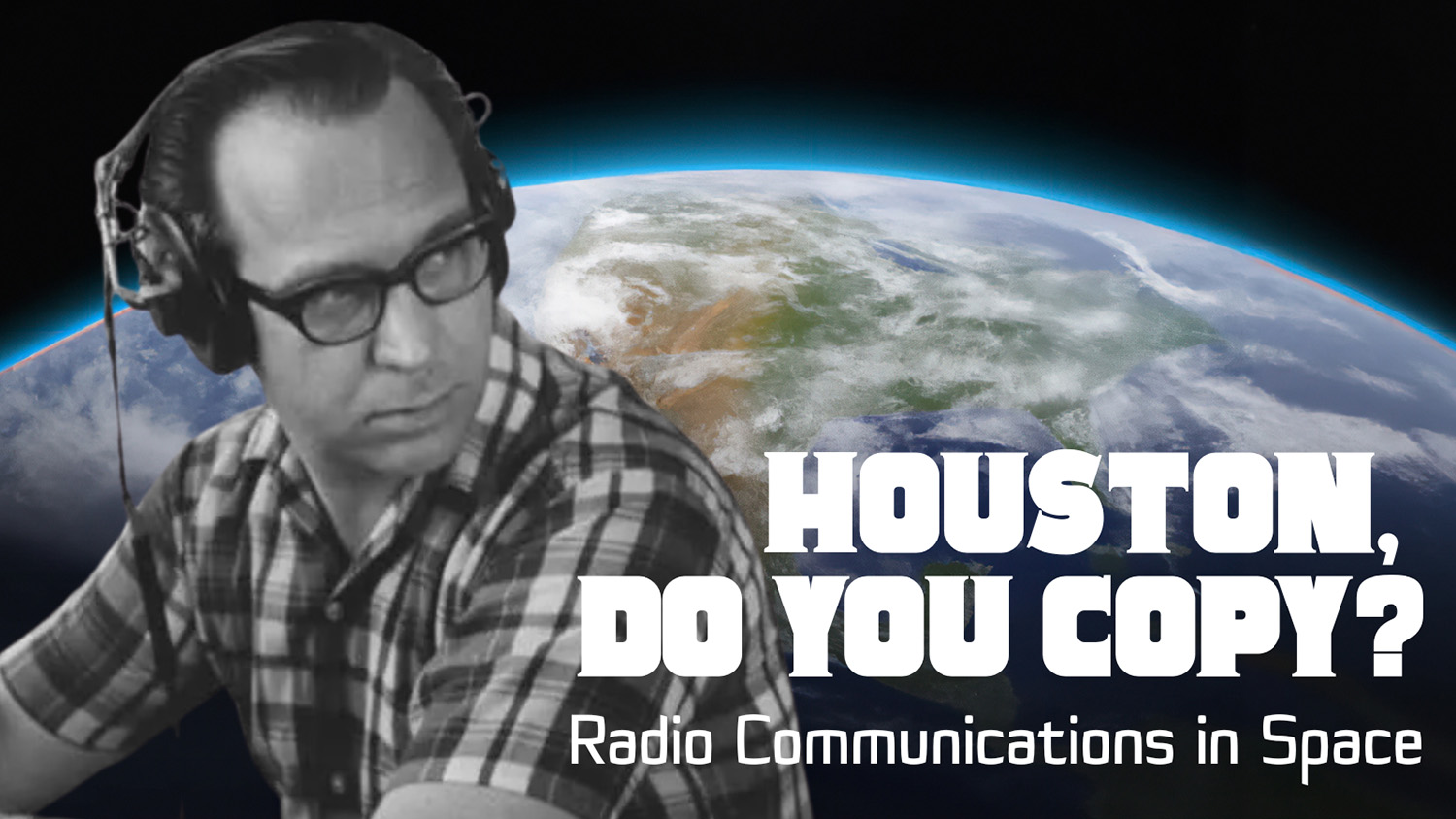
Ground control to Pavek Museum, can you hear me? To commemorate the launching of Artemis II and the start of a new moon mission by NASA, we decided to write about the history of electronic communication in space. Did you know that the start of the space race was provoked by a radio transmitter inside an artificial satellite? The Soviet Union launched a satellite called Sputnik 1 on October 4th,1957. The launching of this satellite provoked an immediate response by the United States and consequently, the start of the Space Race. We must remember that in the backdrop of this event was the Cold War, a confrontation between two nuclear powers with two different ideologies: the United States and the Soviet Union. The capacity to send something to space also meant the capacity to send a nuclear weapon across the planet.
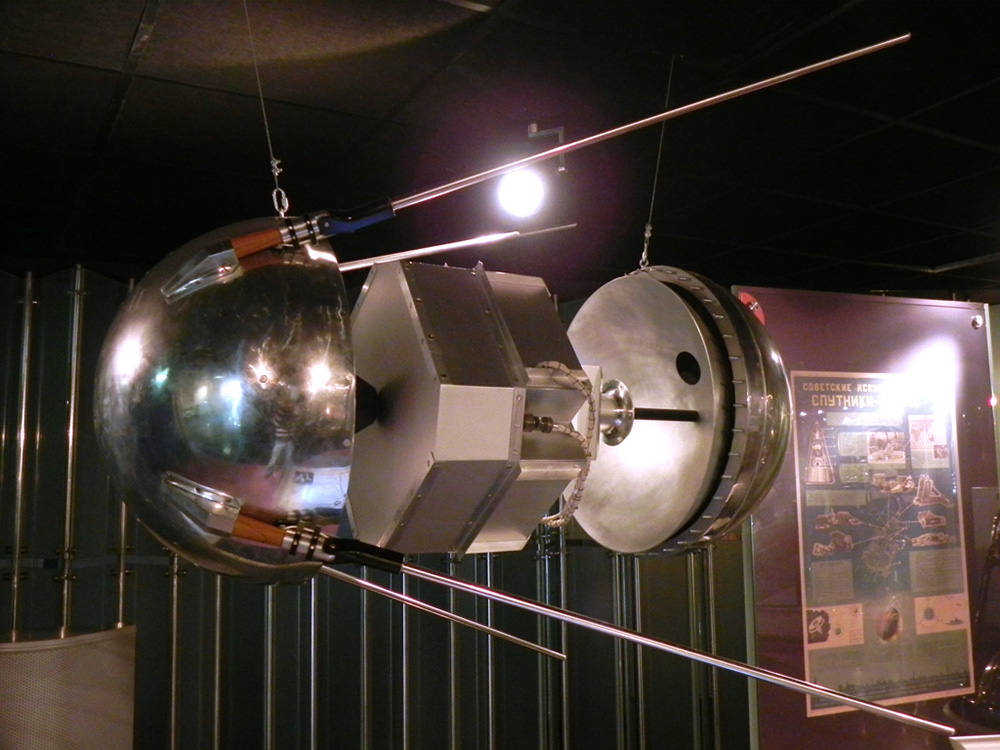
That being said, Sputnik 1 had a less nefarious reason to exist. With one transmitter inside that sent two signals (one at 20.005 MHz, and the other at 40.002 MHz), it was designed to understand how radio waves bounce into the ionosphere. Additionally, the duration of the radio pulses would give what we know as telemetry data of the inside of the satellite. For example, if the satellite was too hot or too cold, and if the seal gas was leaking or not. With the launching of Sputnik, two American physicists, William Guier and George Wiffenbach from John Hopkins University, realized that by using the radio transmission and the known phenomena of the Dopler effect they could pinpoint the location in orbit of the satellite using the early computer known as UNIVAC.
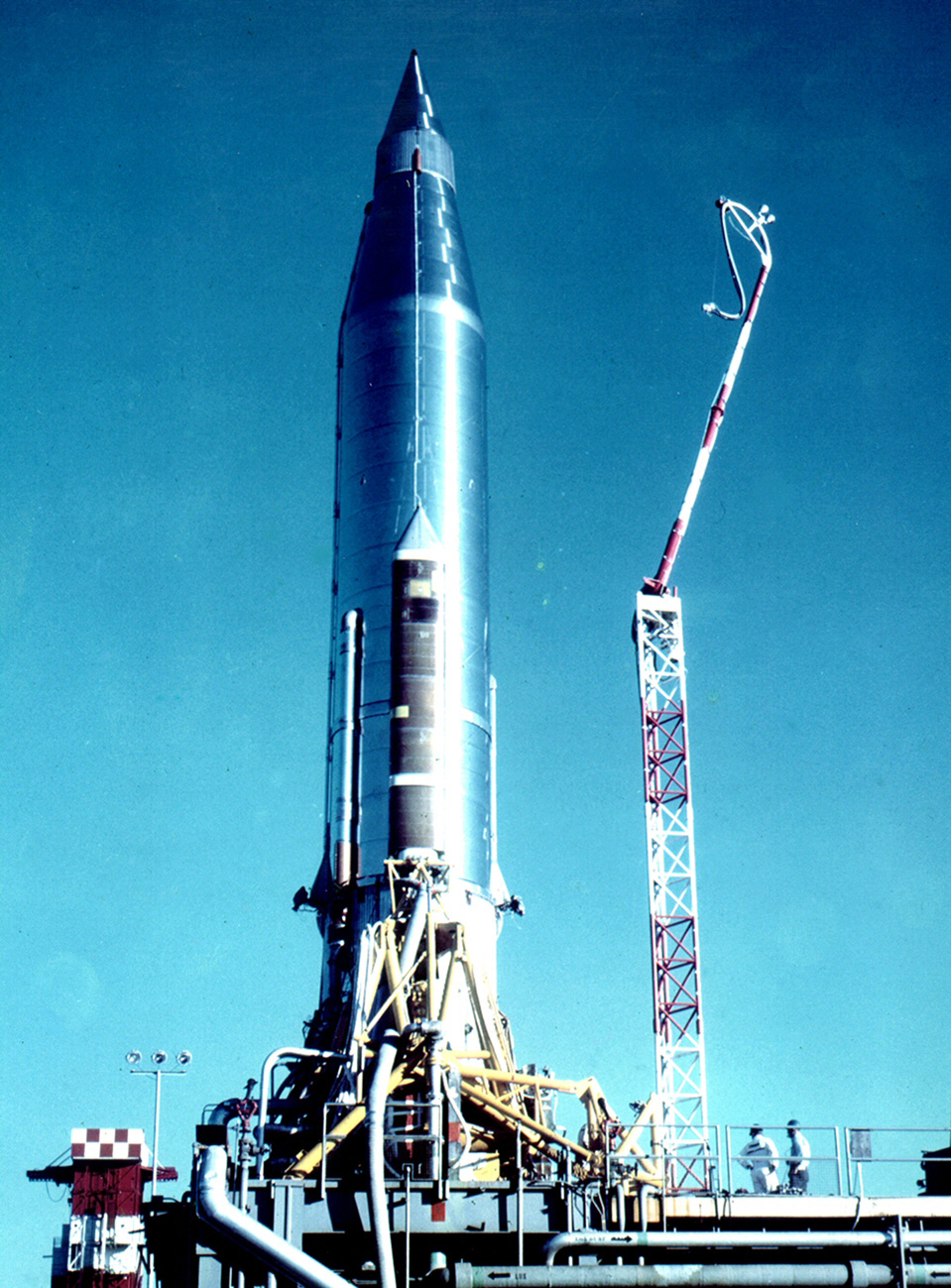
In response, a few years later in 1958 Eisenhower sent the first American made satellite known as SCORE (Signal Communications by Orbital Relay Equipment) that broadcasted a radio message from the president. The following are his remarks:
“Through this unique means I convey to you and all mankind, America’s wish for peace on Earth and goodwill toward men everywhere.”
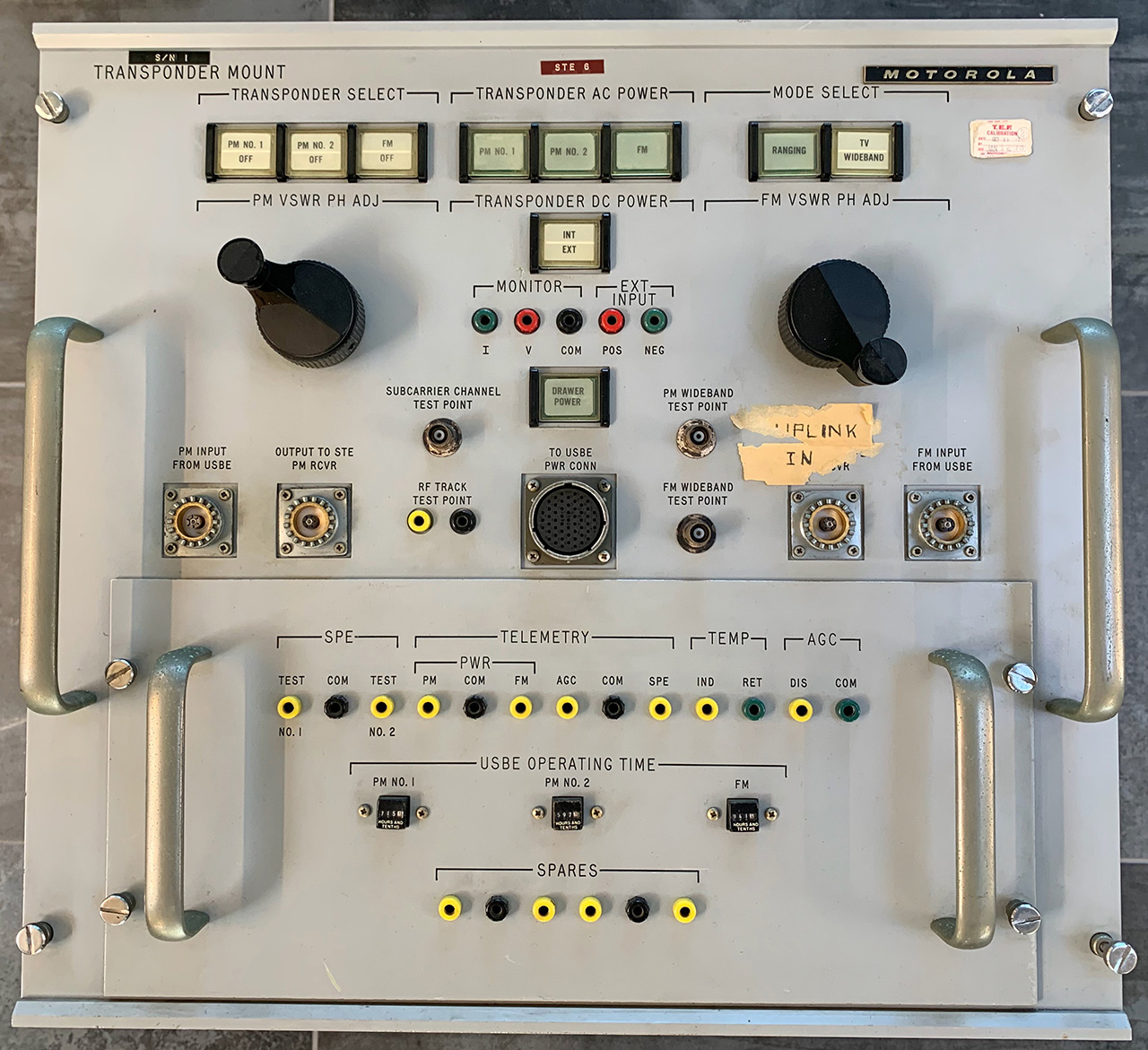
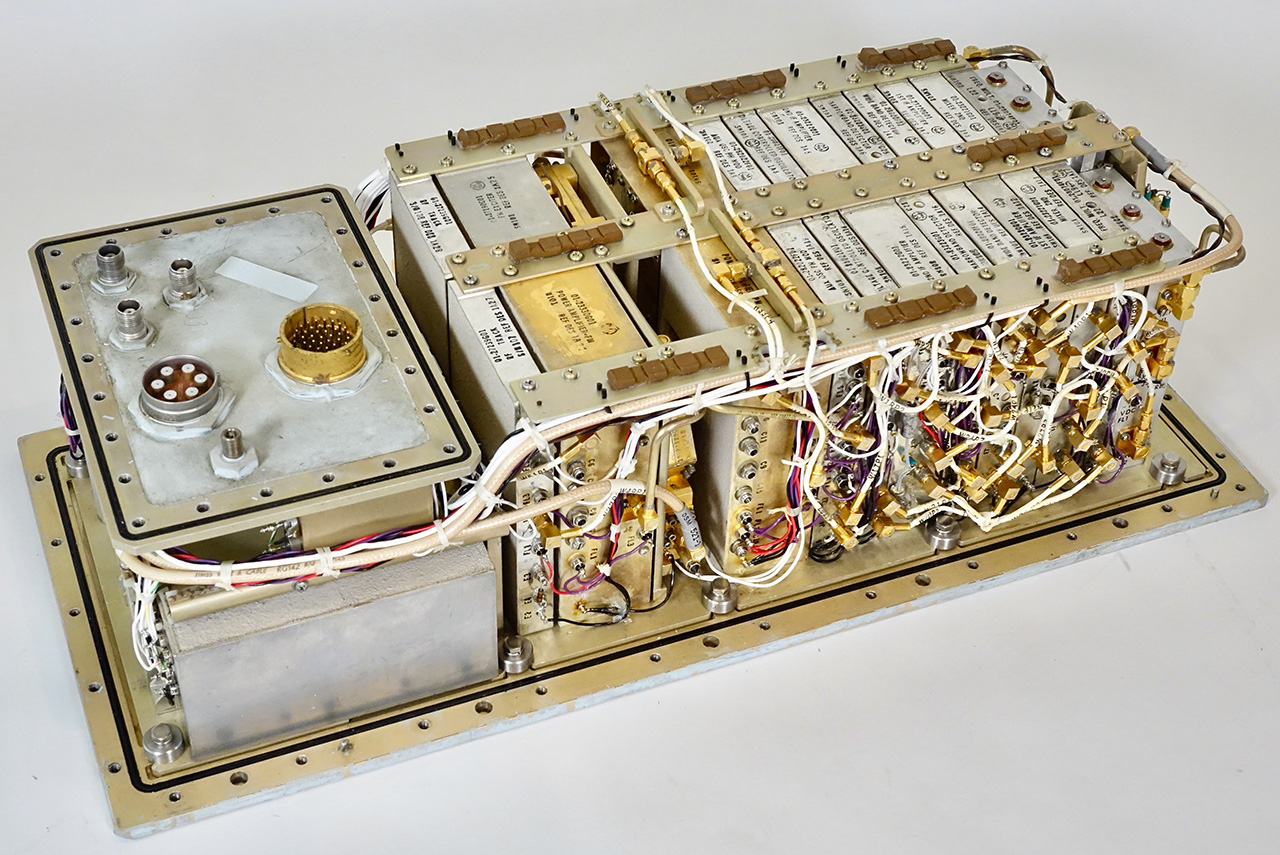
SCORE operated for 35 days before burning up upon re-entry into the atmosphere. As the space race continued, communication became a greater concern. During the Mercury and Gemini space programs, communication systems for radio voice, telemetry, and tracking were done through separate systems, creating unnecessary bulky and inefficient equipment. For the Apollo program, NASA decided to unify all this information under one system: the Unified S-Band (USB). This system operated in the microwave spectrum and combined under one signal voice communication, television, telemetry, command, and tracking. The USB system did not replace all other radio transmissions in Apollo missions; but Apollo still used VHF (Very High Frequency) to communicate between the astronauts and the lunar module, which would send over USB.
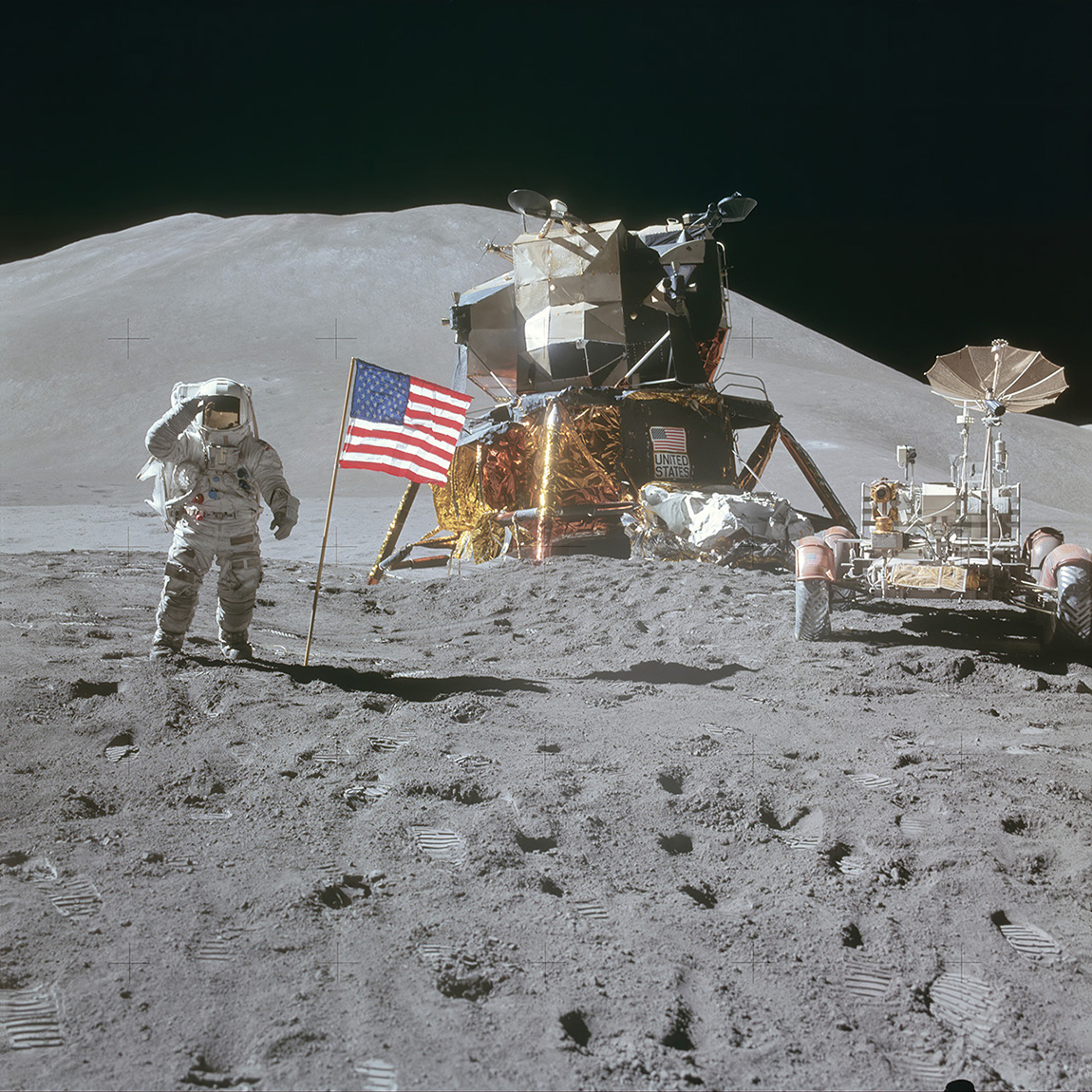
The development of the S-band was entrusted to MIT, Lincoln’s Laboratory. In December, 1962, they were able to demonstrate to NASA how the S-band system could be used in successful missions. For example, for Apollo 11, the first successful lunar mission, Neil Armstrong’s suit had a microphone and a 3 kilo VHF radio in his backpack when he declared his famous words. This incredible machine that he used to communicate was built by RCA, and in the space of just 35x15x3 cm, it had two AM receivers, two AM transmitters, and it could either have one FM receiver or one FM transmitter. This would not only transmit his voice but also the status of his suit and his own physiological data. The lunar module communication system would also have more than 30 dish antennas called the Manned Space Flight Network that was also created to send color television signals back home for everyone to see. Unfortunately, the first time the antenna was used, Alan Bean aimed the antenna to the sun accidentally, burning the image tube, which is why the images are so grainy. He reportedly said, “Here is the TV. And it’s pointing toward the sun. That’s bad.”
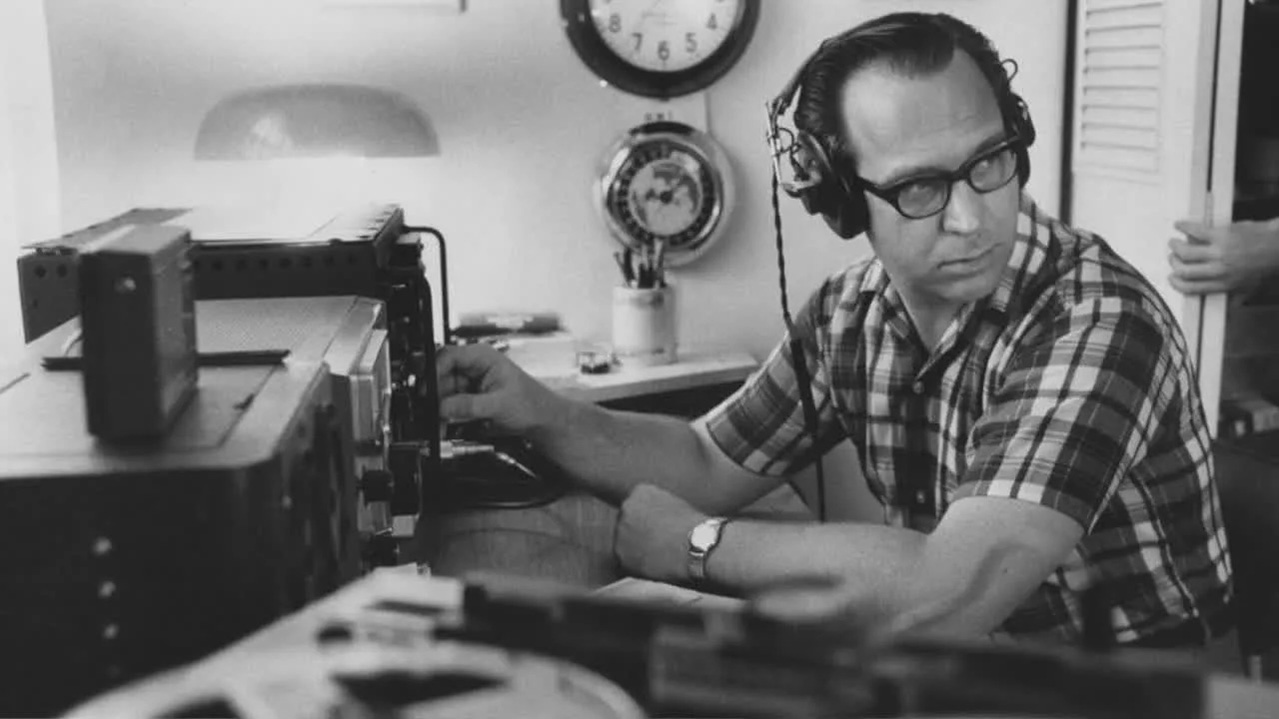
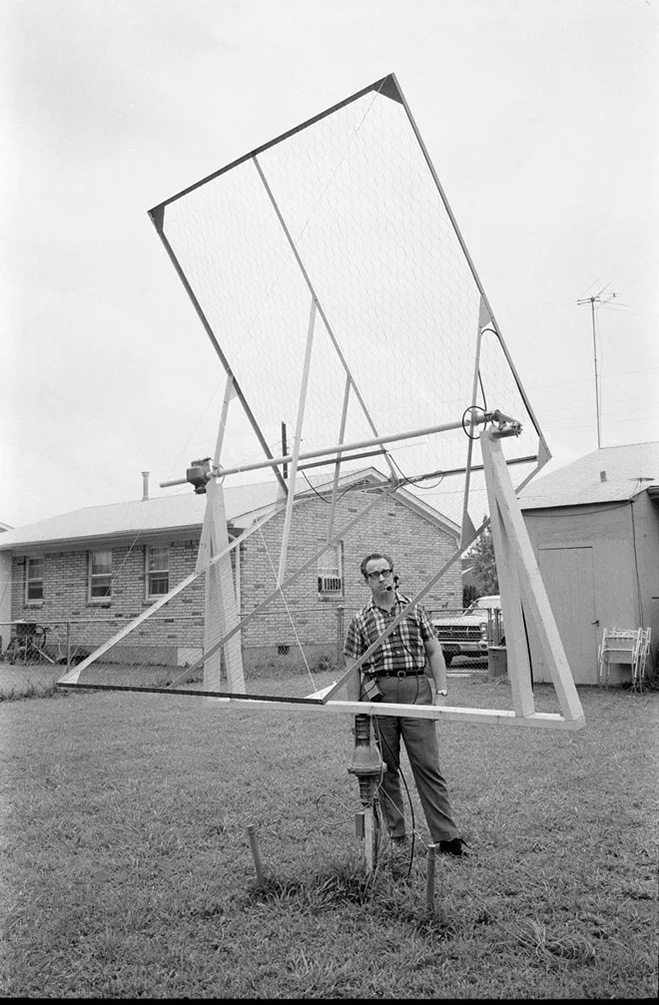
Maybe one of the most impressive stories of the lunar landing outside the astronauts themselves was Larry Baysinger, W4EJA, from Louisville that happened to direct his ham antenna towards the moon and was able to pick up the VHF signal from Armstrong’s backpack to the lunar module. He was able to listen in for 35 minutes, including conversations between the astronauts and a message from President Nixon congratulating them. What is most impressive is that Larry’s rig was a 20-year-old army supply tank radio and an antenna he built using aluminum tubing and chicken wire. For more about this story, click here.
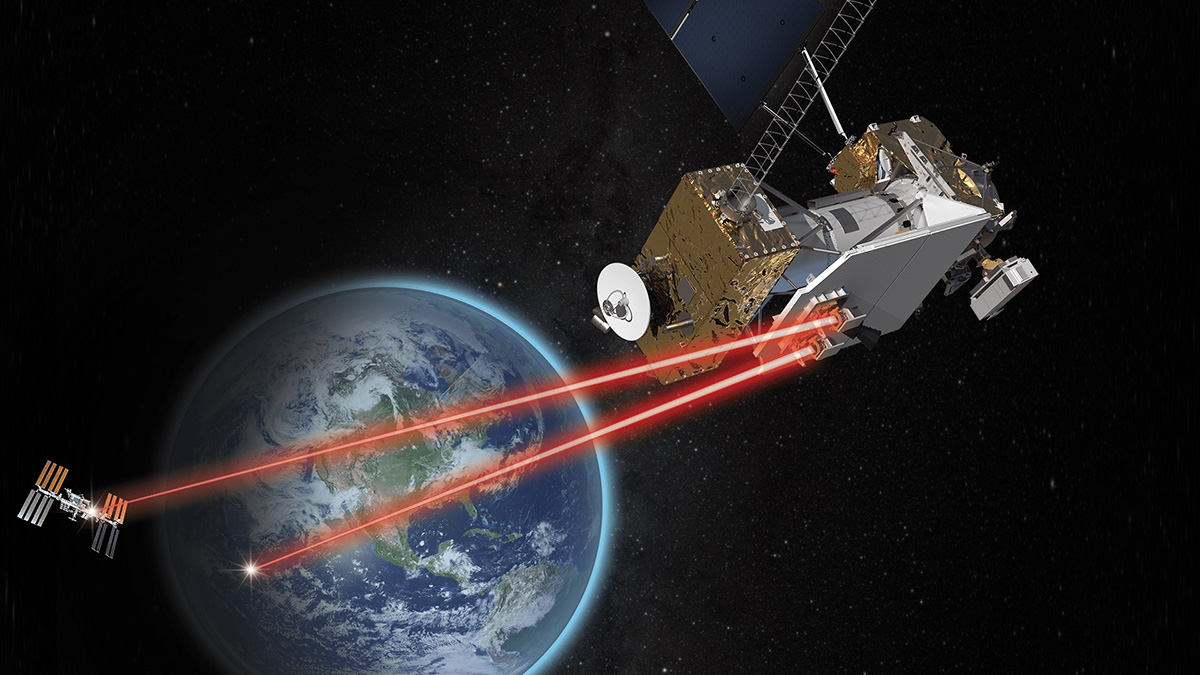
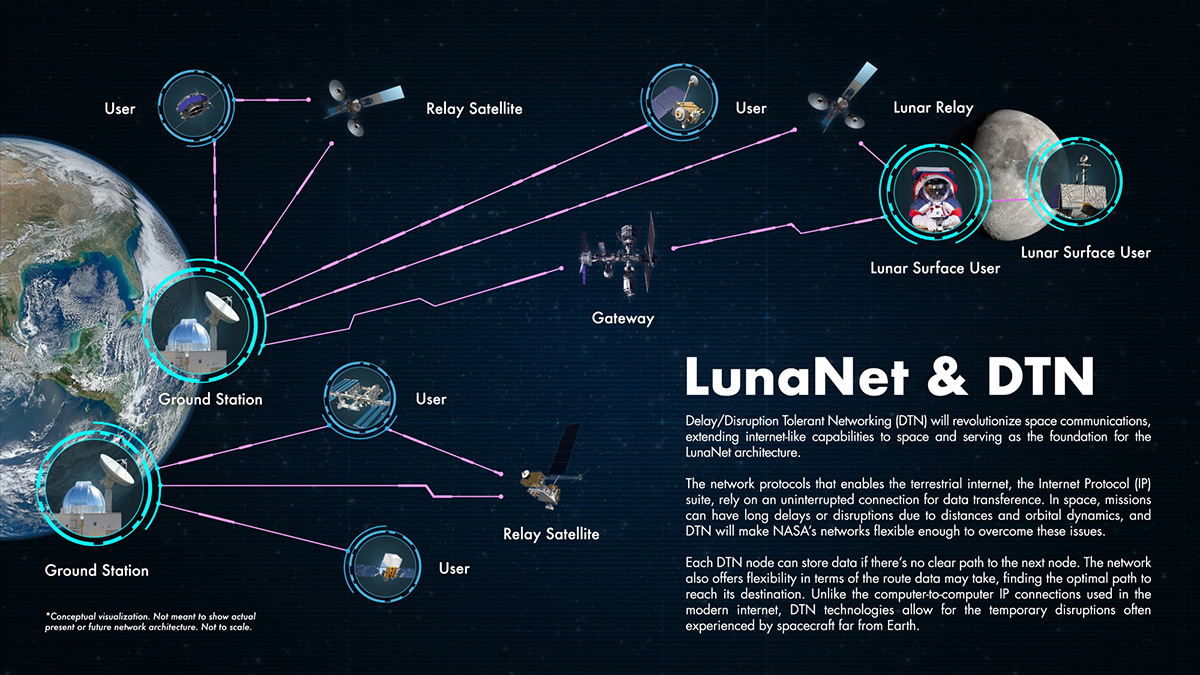
Since the Apollo missions, NASA has its own division of space communications and navigations that have been working hard on improving its communication with the international space station, the rovers on mars, and the Artemis mission. To do so, they use an array of giant antennas on Earth, as well as satellites in space to rally the information. The future of space communications relies on laser relays, which compact high density information known as optical lengths. The technology has not been perfected but it is believed to be the way large packets of information can move through space, especially over long distances. For example, any communications with Mars are constrained by the speed of light, causing a 24-minute delay. But laser communications will probably allow future moon bases to have their own internet known as “lunanet.”
Sources:
https://spectrum.ieee.org/apollo-communications
https://ntrs.nasa.gov/api/citations/19720023255/downloads/19720023255.pdf
https://www.nasa.gov/centers-and-facilities/goddard/space-communications-7-things-you-need-to-know/
https://spectrum.ieee.org/apollo-communications
https://airandspace.si.edu/explore/stories/communications-satellites
https://www.eisenhowerlibrary.gov/research/online-documents/sputnik-and-space-race
https://www.nasa.gov/history/alsj-and-afj/
https://www.honeysucklecreek.net/images/early_days_images/Collins_Radio_USB_med.jpg