
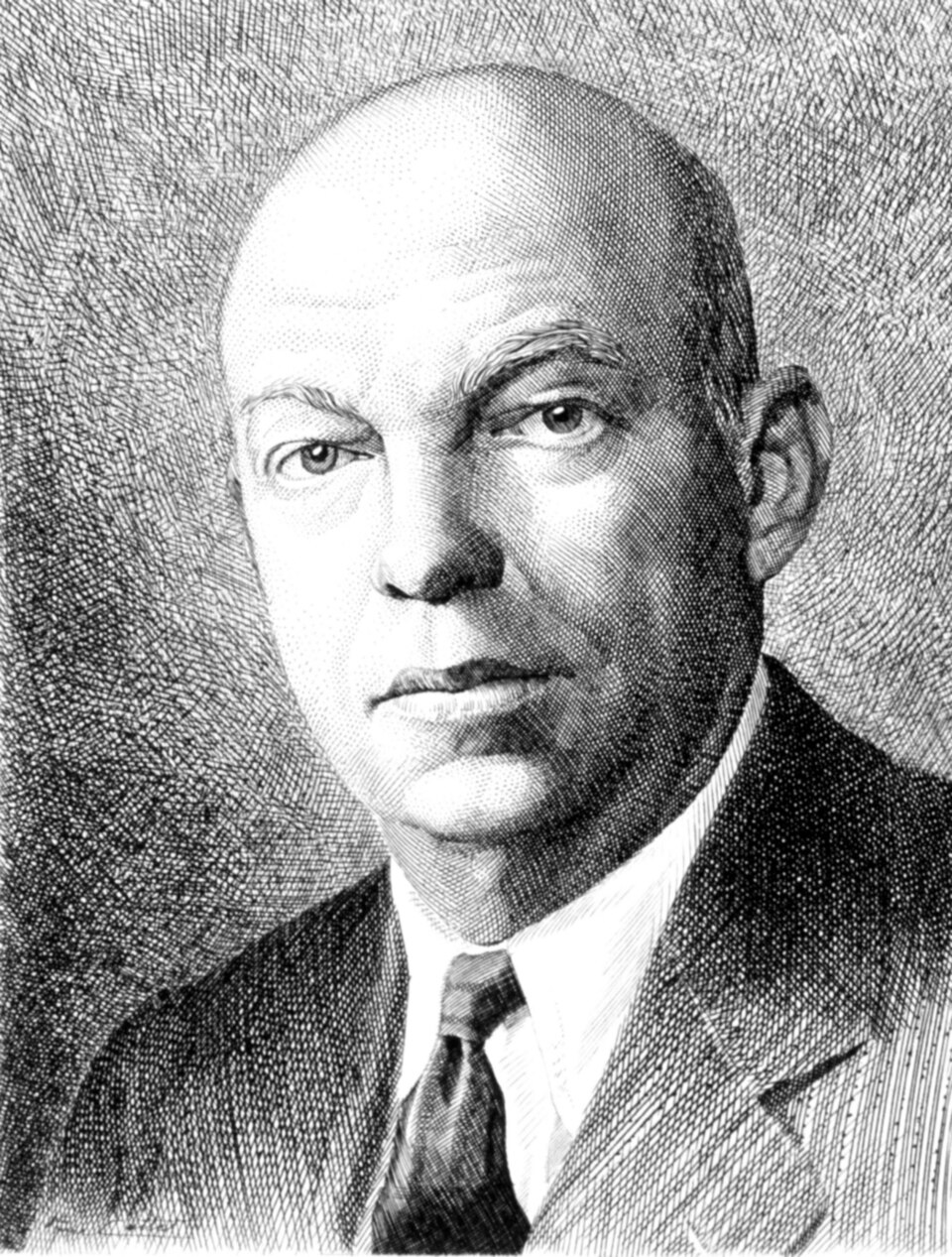
Edwin Howard Armstrong was born December 18th, 1890, in a working class neighborhood of New York City. Chelsea, famous for being near Hell’s Kitchen and the meat packing district, was dominated by Irish immigrants during this period. Edwin was the eldest of three children by John Armstrong and Emily Smith. His father became the representative in the United States of the Oxford University Press, which published and distributed the King James Bible. This bible was the official text of Anglican churches in the United States, better known as Episcopalians among other Christian groups. After he rose to the position of Vice President, this made him fairly wealthy for the era. As the Armstrongs grew more affluent, they moved to better neighborhoods of New York.
Unfortunately, at age eight Armstrong contracted a serious disease, Sydenham’s chorea, which is a neurological disorder that can happen in rare occasions when children have high fevers. Armstrong would be affected by this affliction for the rest of his life, showing little twitches and ticks, especially in moments of excitement or stress. His symptoms made him withdraw from school and undergo private tutoring for two years. While this marked him as a social outcast, it was during this period where he fell in love with electromagnetism, and later, radio. As a boy, he constructed makeshift radio antennas in the backyard of his house and conducted most of his early research in the attic.
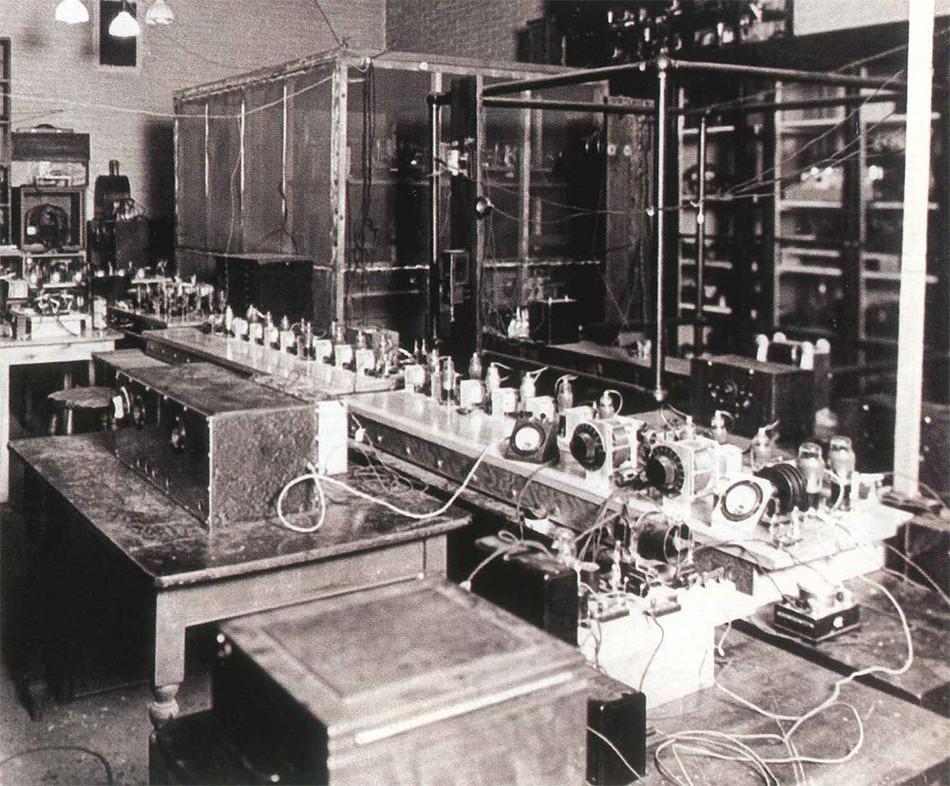
In 1909, Armstrong enrolled in Columbia University, NY, joining a fraternity for engineers called Theta Xi, and working at Harley Laboratories, a separate research unit at Columbia. He is remembered as someone who was intensely focused on the subjects that interested him, but tended to neglect subjects in the humanities. Armstrong was an unconventional student who subverted expectations and played pranks, such as electric shocks, on people he disliked. He was primarily interested in experimentation and reasoning instead of applying mathematical and physics formulas that were not necessarily accurate. Armstrong finally graduated in 1913 with a degree in electrical engineering.
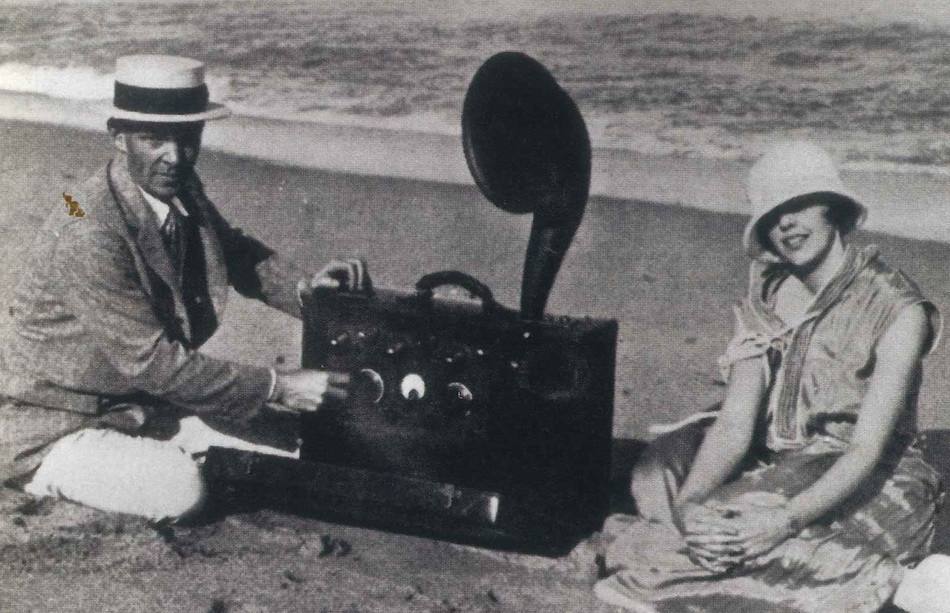
It was while Armstrong was working at Harley Laboratories that he began his first major invention. He was one of the first people to experiment with Lee De Forest’s Audion, and I would argue that he was also one of the first people to understand how early vacuum tubes worked. In particular, Armstrong was eager to discover what particular gasses would do to the output of the Audion. Conducting early experiments with oscillographs, his greatest breakthrough was how to use positive feedback when using these vacuum tubes, also known as regenerative feedback.
The amplification produced by this feedback was hundreds of times greater than before, allowing people switch out their sensitive headphones for speakers to hear audio waves. He also discovered that if you increased this feedback, the vacuum tube would oscillate, making it usable as a continuous wave radio transmitter. Armstrong’s application for a patent covering the regenerative circuit led to a series of legal problems with Lee De Forest about who invented the regenerative circuit. Armstrong was initially able to prove that he was working on this idea before De Forest, and courts ruled in his favor, but eventually the Supreme Court rescinded the decision.
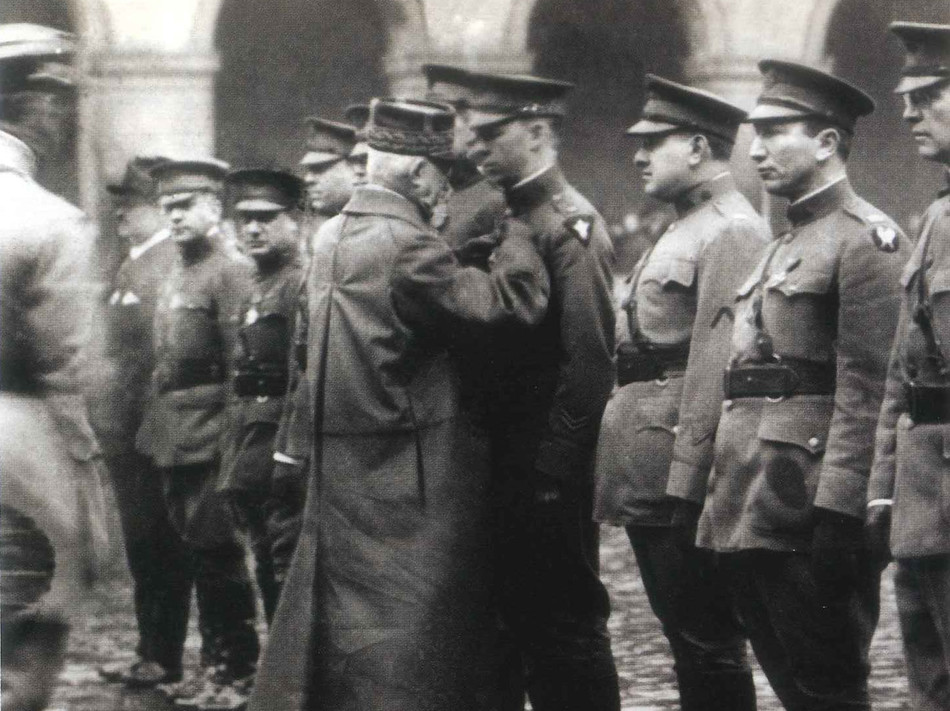
Armstrong didn’t have much time to linger on this lawsuit, as he soon enlisted during World War I. The United States entered the first World War in April,1917, after the sinking of the Lusitania and the explosive Zimmerman telegraph, which tried to form an alliance between Germany and Mexico to attack the United States. (As a quick aside, Mexico was in no position to do the proposed German plan, as it itself was embroiled in a civil war.) During the war, Armstrong was commissioned as a Captain for the US Army Signal Corps, and he worked in a laboratory in France to improve radio communications, especially in new forms of warfare, like airplanes. It was during this time that Armstrong began working on his next invention, the “supersonic heterodyne,” soon shortened to “superheterodyne.” This circuit made radio receivers much more selective and easier to tune, and is still used to this day.
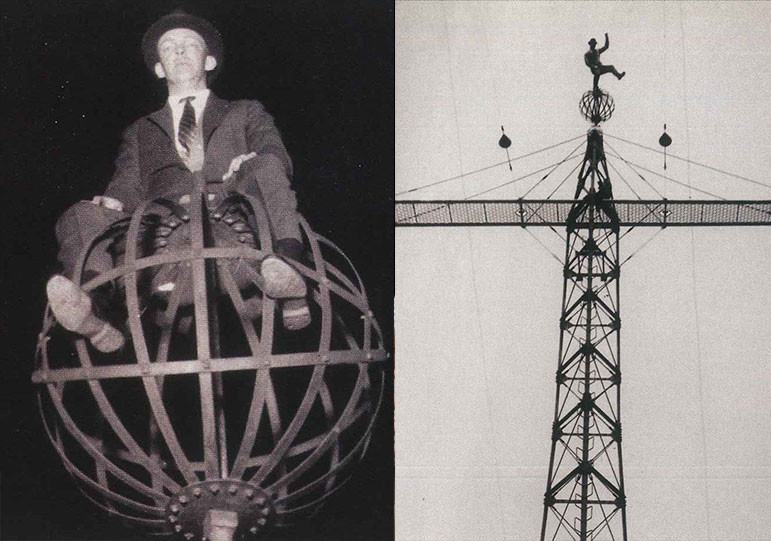
Armstrong, with his new superheterodyne invention, approached one of RCA’s rising stars, David Sarnoff. They previously met each other in 1913 when Armstrong demonstrated the regenerative circuit to Sarnoff. Originally, RCA thought superheterodyne radios would be too expensive and complicated for the public to use, and they told Armstrong to reduce the amount of dials and vacuum tubes used in the creation. He was able to reduce both, and RCA introduced the Superheterodyne Radiola set in early 1924. They were an immediate success, dramatically increasing RCA’s sales and arguably starting the era known as the Radio Craze, where radios captured the imagination of the American public. From radio-themed novels and boardgames, perfumes and laxatives, everything imaginable could be related to radios in the 1920s.
Armstrong would eventually go on to create a new form of radio entertainment that was no longer determined by the amplitude of the radio signal, but instead its frequency (FM). However, that’s a story for another time. For now, when we think of Armstrong, we’ll picture a maverick who understood vacuum tubes and radio waves in a way few others could, and changed forever the way we understand electronic communication